Winter Roof Prep in Tehachapi: 5 Things You Can’t Skip
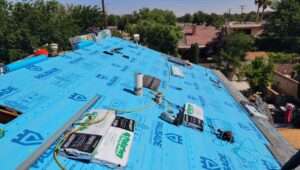
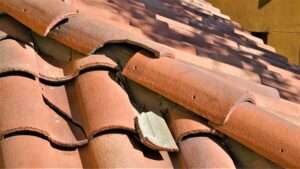
You glance up at your roof and notice it—just one cracked or missing tile. It might not look like much, especially here in North Los Angeles where concrete tile roofs are everywhere from Chatsworth to Santa Clarita. But that single broken tile could be the first visible clue that your roofing system needs attention. At Coronado Roof Care, we’ve seen firsthand how often minor-looking damage signals something more serious brewing underneath. From sun-drenched properties in Simi Valley to wind-exposed homes in Frazier Park, broken tiles can lead to long-term water intrusion, underlayment failure, and costly structural issues when left unaddressed. In this post, we’ll explain what a broken roof tile might really mean—and how catching the problem early can help you protect your home for years to come. A Closer Look at Tile Roof Construction Tile roofs are known for their durability, especially here in North Los Angeles where concrete tile is a popular choice across neighborhoods like West Hills, Valencia, and Porter Ranch. But to truly understand why a single broken tile matters, it helps to look at how these systems are built. Concrete tiles aren’t your home’s primary barrier against water—they’re the outer shell that protects the actual waterproofing layer underneath, typically a felt or synthetic underlayment. These tiles are installed in overlapping rows, often laid over wooden battens or directly onto the roof deck. When everything is intact, the system works as a cohesive shield, shedding water and resisting UV damage. The moment one tile breaks, however, that shield weakens. Even if water doesn’t pour in immediately, the exposed underlayment begins to degrade faster under direct sunlight and weather. Over time, especially in places like Calabasas or Castaic where roofs endure both intense heat and seasonal wind gusts, that one cracked tile can trigger a slow domino effect—leading to hidden leaks, mold, and structural damage that only show up when the repairs get much more expensive. If you live in an area where your home’s roof gets full sun exposure or regular foot traffic from maintenance crews, keeping those tiles intact is more than just aesthetic—it’s your first line of defense. What Causes Roof Tiles to Break? Broken roof tiles might seem like a fluke, but there’s almost always a cause behind the damage. And if one tile has cracked or slipped, there’s a good chance your roof has been exposed to conditions that could affect other areas as well. Whether you’re in wind-prone zones like Frazier Park or dealing with high UV exposure in places like Santa Clarita or Northridge, the following are common culprits: Foot Traffic HVAC technicians, satellite installers, or solar panel crews sometimes step directly on tiles, especially if they're unfamiliar with proper tile-walking techniques. One misstep can crack a tile—or worse, create hairline fractures that go unnoticed. Thermal Movement Concrete tiles expand and contract with temperature swings. In regions like Lancaster and Palmdale, where the difference between day and night temperatures can be extreme, this thermal stress can weaken tiles over time. Falling Debris Tree limbs, palm fronds, or even a stray baseball can strike the roof. Homeowners in shaded lots around areas like Westlake Village or Moorpark should watch for signs of impact, especially after wind events. Seismic Activity Even mild tremors can subtly shift tile placement. In a seismically active region like Los Angeles County, it’s common to see displaced ridge caps or fractured tiles after earthquakes. Aging or Brittle Tiles Concrete tile can last decades, but over time, the outer surface may erode—especially on south-facing slopes. Older tiles may lose their original density and become more fragile, especially if the underlayment is also deteriorating beneath them. Even when a tile appears to be the only one affected, these causes often hint at broader wear across the roof. A quick visual check from the ground might not tell the whole story—but understanding why a tile cracked can help prevent further damage. Hidden Damage Beneath the Surface At first glance, a broken tile might seem like a surface-level problem. But in reality, it can expose the most vulnerable part of your roof—the underlayment. This hidden layer is what actually keeps water out of your home. And once it’s exposed to sun, wind, or standing debris, its performance starts to decline. In many homes across Santa Clarita Valley, Simi Valley, and the higher elevations of Tehachapi or Frazier Park, we’ve uncovered significant underlayment damage beneath just a few visibly cracked tiles. The Southern California sun can dry out and blister felt paper quickly when tiles shift or break, and when that happens, the material becomes brittle and ineffective. Even synthetic underlayments, while longer-lasting, can wear out faster once left uncovered. Water intrusion doesn’t always appear where the broken tile is located. Moisture can travel across the roof’s underlayment, finding seams, nail holes, or vent openings before finally dripping into your attic or ceiling. That’s why you might spot interior stains in a completely different area from the original damage. And once water gets in, it’s not just about replacing a few tiles—it often involves replacing sheathing, insulation, and even sections of framing. In cooler areas like the outskirts of Castaic or higher-elevation properties in the Antelope Valley, freeze-thaw cycles can make it worse. Small cracks expand with every cold night, especially after rain. Over time, that broken tile isn’t just a sign of wear—it’s a warning signal that the roof system below could be silently deteriorating. Catching it early protects not only your roof, but your entire home. Common Misconceptions About Broken Roof Tiles It’s easy to underestimate the significance of a single cracked or missing tile—especially when there’s no visible leak inside the house. But several persistent myths often prevent homeowners from taking action when they should. Here are the most common misconceptions we hear from clients across neighborhoods like Sylmar, Thousand Oaks, and Granada Hills: “It’s just cosmetic.” A chipped or broken tile might not look serious from the street, but it can expose the waterproofing layer underneath to direct sunlight and moisture. Once that barrier begins to degrade, water has a path into your home—even if it takes months to show. “It won’t leak unless I see water inside.” Interior leaks are a late-stage symptom. By the time you notice a water stain on your ceiling, the damage has often already reached your attic insulation, sheathing, or framing. Early tile damage is the roof’s way of signaling a problem before it escalates. “Tiles are supposed to crack over time.” While normal weathering is expected, cracking should never be dismissed. Properly installed and maintained concrete tile can last 40–50 years. If your roof is under 20 years old and already showing visible cracks, that’s a red flag that something needs closer inspection—be it material quality, installation, or structural movement. “I’ll fix it when more tiles break.” Delaying repairs invites a domino effect. Wind can loosen neighboring tiles, water can seep under others, and small issues can become system-wide. We’ve seen it time and again in homes from Pacific Palisades to Porter Ranch—a roof that could’ve been patched up affordably ends up needing partial or full replacement. A broken tile isn’t just a cosmetic defect—it’s often your first chance to step in before real damage sets in. Knowing what to look out for and when to act helps preserve your roof and your peace of mind. When One Broken Tile Means It’s Time for a Roof Walkthrough You might think a single broken tile doesn’t warrant much attention—but at Coronado Roof Care, it’s often the call that uncovers much more. When we’re contacted about “just one tile” in areas like Woodland Hills, Saugus, or Calabasas, we often find that tile isn’t the only one with issues. It’s just the first one you happened to see. Our walkthroughs frequently reveal more than meets the eye: Multiple hidden cracks or hairline fractures These are often invisible from the ground. Tiles may be partially broken or sliding out of place beneath overhanging eaves or solar panels. Aging or brittle underlayment Especially on roofs older than 15–20 years, the underlayment may already be reaching the end of its lifespan. In some cases, it’s already torn or deteriorated, even if the tiles above still look intact. Loose ridge caps or missing mortar beds We regularly find issues at the roof’s peak, where ridge tiles can loosen over time—particularly in high-wind areas like Acton or Agua Dulce. Once water gets into those gaps, it travels downhill unnoticed. Signs of water migration Streaking, debris trails, or moisture staining beneath the tiles are telltale indicators that water has already entered the system—even if your ceilings haven’t leaked yet. That’s why a broken tile should prompt more than just a quick swap—it’s a signal that your roof deserves a closer look. The good news is that if caught early, many of these issues can be addressed with localized repairs, saving you thousands compared to a premature roof replacement. And if your roof is approaching the 20-year mark, a walkthrough can help you budget and plan wisely for the next phase of its life. Why Immediate Tile Replacement Matters In the dry, sunny climate of Southern California, it’s easy to assume that roof damage can wait—but when it comes to broken tiles, the sooner you act, the better. Whether you're in Van Nuys, Newhall, or Quartz Hill, replacing a damaged tile right away can prevent cascading issues that are far more complex and expensive to fix later. When a tile is missing or cracked, the underlayment beneath is left exposed to UV rays, wind, and moisture. Over time, this exposure degrades the waterproof barrier meant to protect your home. And once that underlayment fails, water can penetrate the roof deck, leading to rot, mold, insulation damage, and even structural compromise. What could have been a $300–$500 repair turns into a multi-thousand-dollar restoration job. Timely tile replacement also prevents further displacement during seasonal weather events. Southern California sees occasional intense rainfall, especially during El Niño cycles. A missing tile during one of these storms can result in rapid water intrusion—an issue we've seen repeatedly in Antelope Valley and Simi Valley homes. Broken tiles also leave neighboring tiles vulnerable to slipping, as they rely on one another to stay in position. Aside from damage control, there are practical long-term benefits as well: Preserves the integrity of your roofing system and extends the lifespan of your underlayment. Maintains your property value by keeping the roof looking clean and complete. Protects your home from insurance complications, as some policies exclude damage from deferred maintenance. In short, the faster a broken tile is replaced, the more control you retain over your roof’s condition, cost, and performance. Small repairs made at the right time make a big difference in a climate like ours. How Coronado Roof Care Handles Broken Tile Repairs At Coronado Roof Care, we understand that no two roofs are exactly alike—even when they’re built with the same materials. That’s why we approach each tile repair with precision, care, and a deep respect for your home’s existing structure. Whether your home is tucked into a hillside cul-de-sac in San Fernando or perched in the open desert winds of Tehachapi, we tailor our repair process to fit the specific conditions and construction of your roof. Our first step is a detailed walkthrough of the roof area to assess visible damage, check for additional compromised tiles, and inspect the condition of your underlayment beneath the broken section. Many times, what looks like one simple issue reveals early signs of wider wear. If we spot brittle felt, split flashings, or out-of-place tiles nearby, we’ll show you exactly what we’re seeing—no pressure, just honest insight. Once we’ve identified the broken tiles, our team carefully removes them without disturbing adjacent rows. When possible, we reuse matching tiles from your own roof or source high-quality concrete tile in the same profile and finish. For homes with older or discontinued tile styles, we’ll advise you on the best match available or reuse intact tiles from hidden areas of the roof if needed. Our goal is to leave the repair seamless—visually and functionally. If the underlayment beneath the broken tile is damaged, we replace only the affected section using TU-35 felt or comparable materials, depending on your roof’s build. We then reset the tile using professional-grade fasteners or mortar bedding, depending on the installation style. For repairs related to active leaks, we provide a workmanship warranty that covers the treated area specifically. We’re clear about what’s included—and what’s not—so you can trust what we’ve repaired and feel confident moving forward. From homes in Pacific Palisades with high-end finishes to mid-century bungalows in Northridge, we apply the same standard of excellence to every repair. Our work is clean, careful, and never rushed. And because our business is built on referrals and reputation, you can expect a level of service that reflects our pride in your roof’s performance. Conclusion Spotting a broken tile might feel like a small concern—especially on a roof that otherwise looks solid. But in reality, that one visible flaw can mark the start of deeper, costlier problems if left unchecked. Across North Los Angeles—from sun-beaten homes in Sylmar to wind-swept lots in Lancaster—we’ve seen how early attention to minor damage helps homeowners avoid major repairs down the road. At Coronado Roof Care, we believe in solving small issues before they grow. Our approach is rooted in craftsmanship, transparency, and genuine care for the homes we work on. Whether you're dealing with a single broken tile or a roof that’s showing its age, we’ll walk you through your options with clarity and respect. Your roof protects everything beneath it—and we’re here to help you protect your roof.