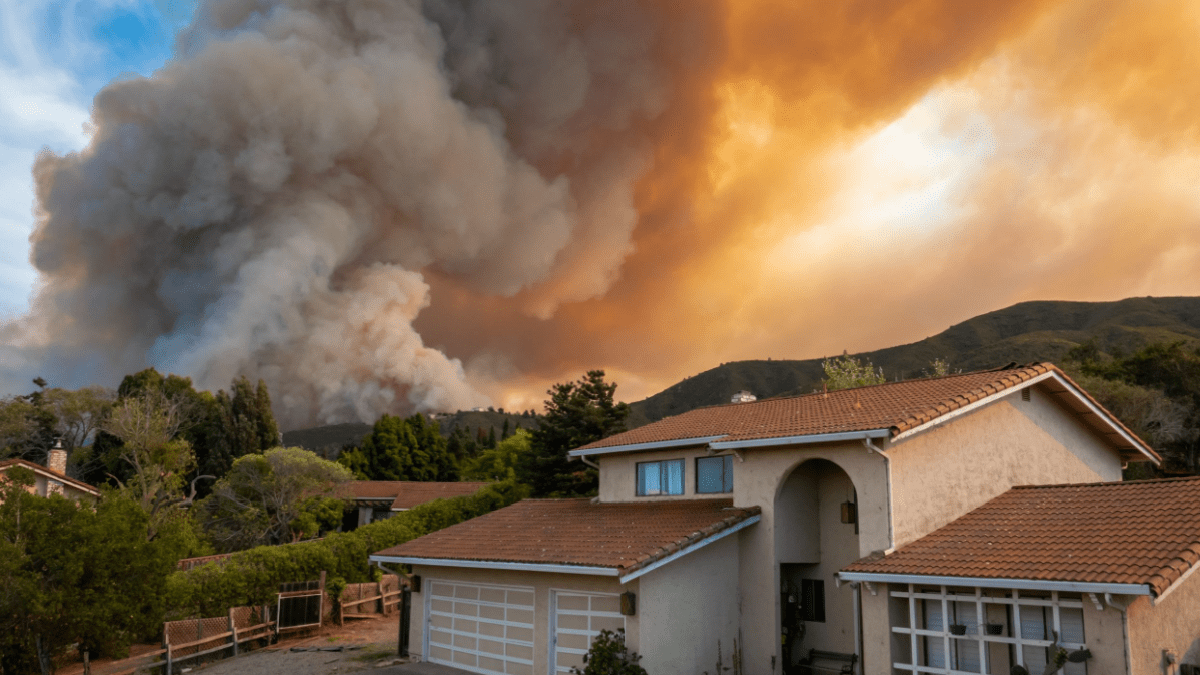
In wildfire-prone regions like the San Fernando Valley, Santa Clarita, and Calabasas, your roof does more than just protect against sun and rain—it plays a critical role in defending your home from fire. As wildfires intensify across North Los Angeles, choosing the right roofing material is no longer just about curb appeal or cost. It’s about survival.
Two of the most common roofing types in our area—concrete tile and asphalt shingles—offer vastly different performance when exposed to extreme heat, airborne embers, and high winds. But which one truly stands up better when a wildfire strikes?
In this guide, we’ll compare how these materials perform under fire stress, what fire ratings really mean, and why proper installation is just as important as the material itself. Whether you live near the chaparral hills of Simi Valley or deep in the forested slopes of Frazier Park, making an informed choice now could be the difference between rebuilding and staying protected.
Why Wildfire Resistance Matters in Southern California
Wildfires aren’t a distant threat for North Los Angeles homeowners—they’re a seasonal reality. From the hills of Calabasas to the canyons of Santa Clarita and the mountain edges of Frazier Park, neighborhoods across the region have seen firsthand how quickly wind-blown embers can ignite rooftops and devastate entire communities.
In fire-prone areas, your roof isn’t just a weather barrier—it’s your home’s frontline defense against airborne embers, radiant heat, and direct flame exposure. Even a small vulnerability in your roofing material or underlayment can lead to ignition, especially during dry, windy conditions driven by Santa Ana winds or intensified by La Niña patterns.
Choosing the right roofing system can mean the difference between a home that resists ignition and one that fuels the fire. Understanding what makes a roof fire-resistant is the first step toward making a smarter, safer investment.
What Makes a Roofing Material Fire-Resistant?
When it comes to wildfires, not all roofing materials are created equal. A roof’s ability to withstand fire depends on more than just surface material—it’s about how the entire system performs under stress, including the underlayment, installation method, and even the ventilation details.
Understanding Fire Ratings: Why Class A Matters
Roofing materials sold in California are typically rated as Class A, B, or C by independent labs based on their ability to resist flame spread, generate embers, and maintain structural integrity during a fire.
- Class A: Highest fire resistance. Can withstand severe exposure to fire for extended periods without igniting.
- Class B: Moderate resistance. Slower to ignite than Class C but still vulnerable under direct ember attack.
- Class C: Basic resistance. May ignite quickly and allow flame to spread.
In high-risk zones across the San Fernando Valley, Simi Valley, and Santa Clarita, local building codes often require Class A roofing systems, which include both the surface material and the underlying layers.
Beyond Ratings: Critical Components of a Fire-Resistant Roof
To truly protect your home, the fire rating must apply to the entire roof assembly, not just the top layer. Key factors include:
- Underlayment Quality: A fire-rated synthetic underlayment like Palisade or TU-35 provides added protection if the surface layer is breached.
- Tile Gaps and Shingle Overlaps: Embers can sneak under loose edges, especially during high winds. Tight installation is essential.
- Ventilation Design: Vents are vulnerable points where embers can enter the attic. Upgrading to fire-rated ridge vents or ember-resistant vent covers can make a major difference.
- Eave Construction: Open eaves invite embers into the structure. Enclosed soffits help prevent ember intrusion.
Whether you’re comparing concrete tile or asphalt shingles, the real question isn’t just the material—it’s how well the system is installed and sealed against the elements.
Asphalt Shingles in Wildfires
Asphalt shingles are the most common roofing material in Southern California neighborhoods, from Sylmar to Simi Valley. Their popularity stems from affordability, ease of installation, and a wide variety of color options—but when fire danger rises, it’s worth asking how well these roofs really perform under pressure.
Typical Fire Ratings for Asphalt Shingles
Most modern asphalt shingles installed today are Class A fire-rated—especially when paired with a fire-rated underlayment. However, this rating only holds if the entire roofing system is installed correctly. If the shingles are older, improperly nailed, or lifting at the edges, the system becomes far more vulnerable to ignition.
Older shingles, particularly those made with organic mats, are more combustible than newer fiberglass-based options. If your roof was installed more than 20 years ago, its fire resistance may not meet current safety standards.
Pros of Asphalt Shingles in Fire-Prone Areas
- Widespread Class A Options: Most brands offer shingles that meet Class A standards when installed over the right underlayment.
- Cost-Effective: Less expensive to replace after a fire event or as part of a proactive upgrade.
- Quick to Replace or Repair: Faster turnaround for emergency roof repairs or partial replacement.
Cons to Consider
- Vulnerable to Wind Uplift: In wildfire conditions, embers carried by wind can lift poorly sealed shingles and ignite materials below.
- Combustible Edges: Shingles can curl or crack over time, exposing edges to ember intrusion.
- Shorter Lifespan in Harsh Conditions: Extreme heat and UV exposure in places like the Antelope Valley can wear down asphalt faster, especially if maintenance is deferred.
When maintained properly, asphalt shingles can offer reliable protection, especially for homeowners needing a more budget-conscious fire-resistant option. Still, they may require more frequent inspections and repairs in high-risk fire zones to stay effective.
Concrete Tile in Wildfires
Concrete tile roofing is a common sight across hillside neighborhoods and suburban tracts throughout Calabasas, Pacific Palisades, and Tehachapi. Its durability and distinct appearance make it a popular choice—but its natural resistance to fire is what truly sets it apart in wildfire-prone regions.
Naturally Non-Combustible Material
Unlike asphalt, concrete tile is inherently non-combustible. It won’t ignite, melt, or emit toxic fumes under high heat. When installed properly as part of a Class A roofing system, it offers some of the highest resistance to flame and airborne embers available for residential homes.
This makes concrete tile especially effective in Wildland-Urban Interface (WUI) zones where fire-resistant construction is a top priority.
Pros of Concrete Tile in Fire Zones
- Fire Resistance: Concrete itself does not burn, making it one of the safest materials during a wildfire.
- Durability: With proper installation and underlayment, tile roofs can last 40–50 years or more.
- Wind and Ember Protection: The weight of each tile reduces the risk of wind uplift, while tightly installed tiles reduce entry points for embers.
Important Considerations
- Installation Quality Matters: Gaps between tiles or unsealed rake edges can create access points for embers. Without fire-rated underlayment, even a non-combustible surface can fail.
- Cracking Risk: Falling branches or shifting structural elements can cause tiles to crack. Damage often goes unnoticed until a closer inspection.
- Weight Load: Concrete tiles are significantly heavier than shingles and may require structural reinforcement on older homes.
- Higher Upfront Cost: Tile roofs are more expensive to install—but often pay off in longevity and resilience.
Concrete tile offers superior fire protection when installed correctly, but it demands expertise and attention to detail. Skipping flashing upgrades or leaving open eaves exposed can undermine the tile’s advantages.
Comparing Installation Methods and Vulnerabilities
A fire-resistant roof isn’t just about material—how the roof is installed plays a critical role in whether or not your home withstands a wildfire. Even the most fireproof material can fail if gaps are left exposed or if underlayment is compromised. Let’s break down the structural and installation-related differences between concrete tile and asphalt shingles in high-risk fire zones.
Underlayment: Your Hidden Line of Defense
Beneath every roof is a secondary barrier: the underlayment. In a wildfire, this layer can be the last line of protection against heat and ember intrusion.
- Asphalt Shingle Systems usually rely on synthetic fire-rated underlayments (like Palisade or TU-35) to meet Class A standards.
- Concrete Tile Systems often use two-ply or specialty underlayments for added moisture and fire protection. However, tiles can shift or leave gaps if not securely fastened, making underlayment exposure a serious issue during wind-driven fires.
Flashing and Edge Details
- Eaves and rake edges are among the most vulnerable parts of any roof. Embers often collect in these areas and penetrate through exposed sheathing or gaps.
- Shingles, when tightly installed with proper drip edge flashing, provide solid coverage. However, older or second-layer shingles may allow uplift at the edges.
- Tiles, especially if loosely laid or poorly sealed, can invite embers to pass under and ignite debris or exposed underlayment.
Roof Ventilation: Often Overlooked, Always Critical
- Unprotected vents are entry points for embers. Gable, soffit, and ridge vents must be fitted with ember-resistant screens or Class A fire-rated vent covers.
- Shingle systems may rely more on ridge vents, while tile roofs often feature boosted ridges that require fire-blocking mesh to prevent intrusion.
Structural Weight and Movement
- Asphalt Shingles are lightweight and flexible, meaning they’re less likely to cause structural stress but more susceptible to wind damage.
- Concrete Tiles are heavy, offering more fire resistance, but improper support or seismic shifting can lead to cracking and hidden vulnerabilities.
Real-World Performance in Local Fires
Material testing in a lab is one thing—performance during an actual wildfire is another. In Southern California, we’ve seen stark contrasts in how different roofing systems hold up during firestorms. For homeowners across places like Santa Clarita, Frazier Park, and Pacific Palisades, these real-world outcomes offer important lessons.
Frazier Park and Pine Mountain Club
During recent wildfires near the Los Padres National Forest, several homes with older shingle roofs experienced total roof loss—not because the shingles caught fire directly, but because flying embers entered through vents or curled shingles, igniting dry debris underneath. In contrast, homes with concrete tile roofs generally fared better, especially when the tile was properly installed with tight overlaps and sealed ridgelines.
Calabasas and Malibu Canyon
In areas repeatedly threatened by fire over the past decade, roofing materials have become a decisive factor in home survival. Homes with updated, Class A-rated asphalt shingles and sealed ridge vents often survived ember showers when paired with diligent roof maintenance. But older homes with aging shingles or exposed eaves often ignited even if flames never reached them directly.
Tehachapi and Eastern Kern County
High desert winds during summer lightning fires created ember storms that bypassed defensible space and ignited roofs from above. Concrete tile homes in these communities held up well when installed over fire-rated underlayment with enclosed eaves. However, tile roofs with loose gaps or broken pieces allowed embers to enter and burn the decking below.
Key Takeaway: The difference in performance during wildfires often comes down to attention to detail—not just the material, but the condition, design, and installation of your entire roofing system.
The Verdict: Which Material Offers Better Protection?
When it comes to wildfire resilience, both asphalt shingles and concrete tile can perform well—but only when installed correctly and maintained over time. The real decision comes down to how each material aligns with your home’s location, condition, and long-term goals.
Head-to-Head Comparison
| Feature | Asphalt Shingles | Concrete Tile |
|---|---|---|
| Fire Rating | Class A (with proper underlayment) | Naturally non-combustible; Class A |
| Wind & Ember Resistance | Moderate; susceptible to uplift if not sealed tightly | High; heavy weight resists wind displacement |
| Maintenance Needs | Moderate—edges and sealants degrade over time | Low—but broken tiles must be replaced promptly |
| Cost | Lower initial cost | Higher upfront investment |
| Lifespan | 20–30 years with upkeep | 40–50 years or more |
| Installation Requirements | Suitable for most structures | May need structural reinforcement for weight |
So, Which One Is Better for Fire Zones?
- If you’re located in moderate fire-risk areas like suburban Santa Clarita or parts of Simi Valley and you’re working within a defined budget, Class A asphalt shingles with a fire-rated underlayment and enclosed eaves can be an effective, affordable choice.
- For homes in high-risk zones like Calabasas hillsides, Frazier Park, or the wildland borders of Pacific Palisades, concrete tile offers unmatched fire resistance and long-term value—as long as it’s installed with the right fire-rated system underneath and kept well-sealed.
Ultimately, it’s not just about choosing the right material—it’s about building a roofing system that’s designed to defend your home from the top down.
Enhancing Fire Resistance Beyond Roofing Material
The right roofing material is only part of the equation. In wildfire-prone areas like Simi Valley and Santa Clarita, fire resistance depends just as much on how the roof is built and maintained.
One key upgrade is ember-resistant ventilation. Standard vents can let embers into your attic, where fires often start. Upgrading to 1/8-inch screened or fire-rated vents helps stop this. Likewise, open eaves—common in older homes—should be enclosed with non-combustible materials to block embers from reaching the rafters.
Underlayment matters too. Whether you choose concrete tile or asphalt shingles, it’s the fire-rated underlayment beneath that adds a crucial second layer of protection. We often recommend Palisade or TU-35 for homes in higher-risk zones.
Finally, regular roof maintenance plays a quiet but essential role. Clearing debris from valleys, behind chimneys, and along gutters keeps embers from finding fuel. Small steps like this can make a major difference during fire season.
Serving Fire-Prone Communities in North Los Angeles
At Coronado Roof Care, we’ve worked on homes across wildfire corridors—from Calabasas ridgelines and Pacific Palisades canyons to the pine-covered streets of Frazier Park. In each of these places, wildfire preparation starts with the roof.
We install and repair Class A roofing systems built for high-risk zones, combining the right materials with ember-conscious design: sealed tile gaps, fire-rated vents, enclosed eaves, and underlayments built to withstand heat.
Our work reflects the terrain. In Santa Clarita, we upgrade aging shingles before peak fire season. In Tehachapi and Pine Mountain Club, we reinforce tile roofs where falling branches and wind-driven embers are constant threats.
Every project we take on is guided by one thing: protecting your home with clean, careful workmanship that holds up when it matters most.