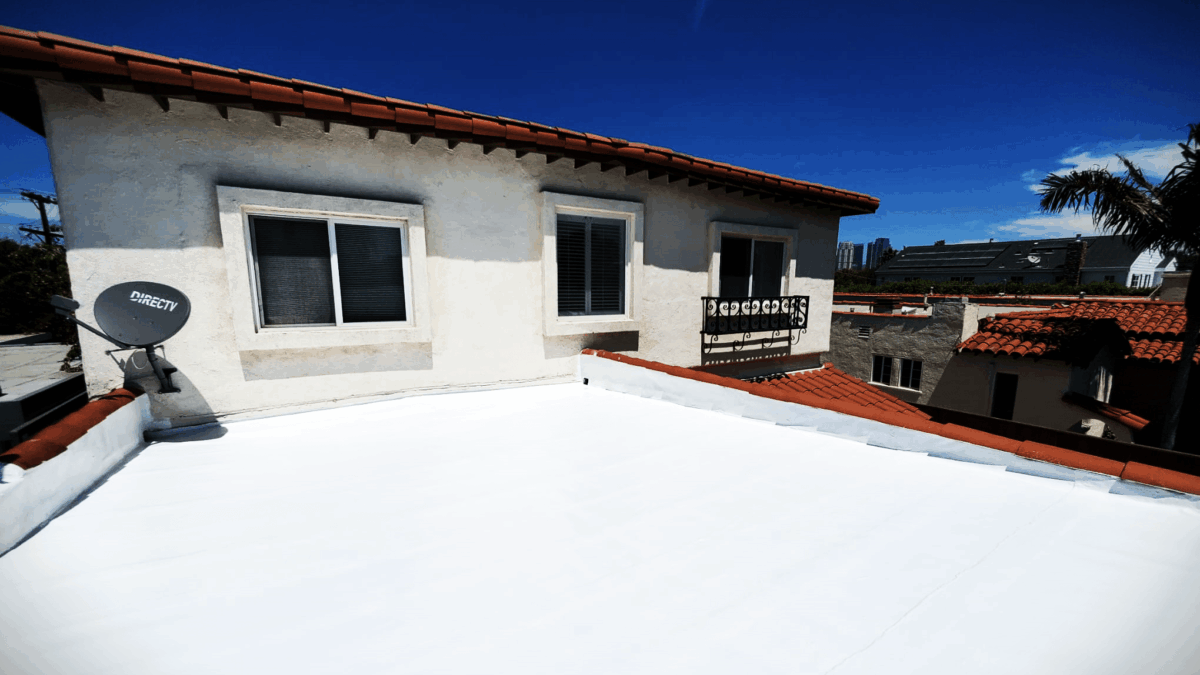
Across Los Angeles County—from the dense heat pockets of the San Fernando Valley to the wide-open highlands of the Antelope Valley—homeowners face a shared reality: prolonged summer heat means skyrocketing energy bills. Air conditioners strain to keep up, especially in homes with older or poorly insulated roofs. But there’s a smarter solution built right into your home’s structure: a cool roof. Unlike traditional roofing, a cool roof is designed to reflect sunlight and reduce heat absorption, keeping your home naturally cooler throughout the year.
For homeowners in places like Santa Clarita, Simi Valley, Westlake Village, and Tehachapi, the value of a cool roof goes far beyond comfort. Reflective roofing systems don’t just lower indoor temperatures—they significantly reduce the energy required to maintain them. At Coronado Roof Care, we’ve helped countless Los Angeles families upgrade their homes with reflective materials designed specifically for our region’s extreme climate conditions. Let’s take a closer look at how cool roofs work, why they matter, and how to choose the right one for your home.
What Makes a Roof “Cool”?
A cool roof uses reflective materials to bounce sunlight away instead of absorbing it. Traditional asphalt shingles and darker roofing surfaces can reach temperatures upward of 150°F on a summer afternoon in Southern California. That heat radiates into your attic, raising indoor temperatures and forcing your air conditioning system to work harder. A cool roof stays up to 50°F cooler under the same conditions, minimizing the amount of heat transferred inside.
The result is a more comfortable interior and lower cooling demand. Cool roofs are typically made from materials like white modified bitumen, solar-reflective asphalt shingles, reflective tiles, or coatings applied to existing surfaces. No matter the method, the goal is the same: reduce solar heat gain to lower energy costs, protect your home, and extend the life of your roof.
How a Cool Roof Lowers Your Utility Bills
When heat is deflected instead of absorbed, your HVAC system doesn’t have to fight as hard to maintain your desired temperature. This can lead to noticeable monthly savings—especially during peak summer months. But the benefits go well beyond just lowering your electric bill.
Three ways a cool roof cuts long-term costs:
- Lower Cooling Costs
Depending on your insulation and home orientation, you could see up to a 20% reduction in air conditioning costs. In homes across Northridge, Castaic, and Calabasas, clients have reported cooler indoor temperatures with significantly reduced energy usage after upgrading to a cool roofing system. - Reduced Wear on HVAC Systems
Because your home stays cooler naturally, your AC unit runs less frequently, extending its lifespan and reducing the frequency of breakdowns, tune-ups, or full replacements. - Minimized Heat-Related Roof Damage
Traditional roofs expand and contract as temperatures fluctuate, leading to cracks, warping, and early aging. Cool roofs maintain more consistent surface temperatures, helping preserve materials and reduce repair frequency.
In short, cool roofs protect both your energy budget and your home’s largest exterior system—the roof itself.
The Broader Benefits of Cool Roofing
In communities like Los Angeles, where environmental impact is increasingly top of mind, cool roofs offer more than personal comfort—they support neighborhood resilience, lower emissions, and contribute to long-term sustainability goals.
Additional advantages include:
- Urban Heat Island Reduction
Los Angeles neighborhoods with dense roofing and pavement experience elevated temperatures compared to greener, more reflective areas. Cool roofs reduce localized heat retention, especially in urban settings like Van Nuys, Sylmar, and Panorama City. - Improved Indoor Comfort Without AC
Homes without air conditioning—especially older properties in Highland Park or Inyokern—can benefit dramatically from reduced indoor temperatures thanks to the passive cooling effects of a reflective roof. - Rebate Opportunities and Mandates
LADWP, SoCal Edison, and other utilities offer cool roof rebates, often between $0.20 and $0.30 per square foot. Many Los Angeles municipalities now mandate cool roofs for re-roofs or new construction, making them not just beneficial but often required.
- Urban Heat Island Reduction
The state of California has also incentivized energy efficiency through building codes like Title 24, which requires cool roof compliance in many new and remodeled residential structures across LA County.
Which Cool Roof System Is Right for Your Home?
Not all cool roofs are created equal. The best option depends on your home’s slope, current roofing material, and long-term goals. Whether you’re planning a full replacement or looking for a cost-effective upgrade to an existing roof, there’s a solution to match your needs.
At Coronado Roof Care, we offer the following cool roofing systems:
- Modified Bitumen with Reflective Coating
Ideal for flat or low-slope roofs, this durable membrane is topped with a white, solar-reflective surface. It’s a go-to choice for Spanish-style homes across Santa Clarita and older properties in Sherman Oaks or Lancaster. - Reflective Shingles
Asphalt shingles with solar-reflective granules provide a familiar look while reducing heat gain. These work well in communities like Simi Valley or Thousand Oaks where traditional aesthetics are often required by HOAs. - Tile Roofs with Cool Roof Underlayment
Many homes in the San Fernando Valley already have tile roofs. We can enhance them with UV-resistant underlayment and batten systems to improve airflow and reflectivity. - Elastomeric Coatings for Older Roofs
If your roof is structurally sound but aging, a white elastomeric coating adds reflectivity and waterproofing without the need for a full tear-off.
- Modified Bitumen with Reflective Coating
We tailor each project to your property’s location, sun exposure, and performance expectations. From Westlake Village to Acton, our goal is to install the system that delivers maximum results—both functionally and financially.
Maintaining a Cool Roof: What You Need to Know
Cool roofs are designed for longevity, but even the most advanced systems need occasional care to maintain their reflectivity and performance. Maintenance is minimal, but skipping it can reduce the effectiveness of your investment over time.
Here are three simple ways to care for your cool roof:
- Clean Debris Seasonally
Dirt, leaves, and smog buildup reduce reflectivity. Use a hose or soft broom to gently remove grime every six months, especially after windy seasons or nearby fires. - Check Flashing and Seals
Just like any roof, the most vulnerable areas are around chimneys, skylights, and pipes. Make sure these seals remain watertight and intact, particularly after heavy rain or extreme wind. - Inspect After Storm Events
Whether it’s a summer heatwave or a winter downpour, strong weather can shift materials or damage surface coatings. A quick post-storm inspection helps prevent small issues from becoming major repairs.
Homes near the mountains, like those in Tehachapi or Frazier Park, may also face higher debris levels from trees or wildlife, so additional attention during fall and spring is smart.
At Coronado Roof Care, we offer ongoing maintenance packages for our cool roof clients that include cleaning, minor repairs, and performance checks—so you never have to guess whether your roof is doing its job.
Why Los Angeles Homeowners Are Upgrading Now
With over 280 sunny days a year, roofs across Los Angeles are exposed to relentless heat that accelerates wear and drives up energy costs. As climate conditions become more extreme and building codes tighten, cool roofing is no longer just a smart upgrade—it’s becoming a necessity. Many cities now require reflective roofing for re-roofing projects, and homeowners are taking advantage of generous rebates and tax incentives to reduce their out-of-pocket investment.
In communities like Calabasas, Encino, and Castaic, homeowners are also seeing added value through better indoor comfort and increased property appeal. Cool roofs help reduce indoor temperatures naturally, which is especially valuable during power outages or heat waves. Energy-conscious buyers view them as a premium feature, giving homes a competitive edge in the market. And for many, the difference is instantly noticeable—less reliance on air conditioning, lower electric bills, and a home that simply feels better to live in.
Conclusion
A cool roof isn’t just a seasonal improvement—it’s a strategic investment in your home’s energy performance, comfort, and durability. For homeowners in Los Angeles neighborhoods like Santa Clarita, Northridge, and Simi Valley, where sun exposure and heat retention are year-round concerns, cool roofs offer measurable relief. By reflecting sunlight and minimizing heat absorption, these systems reduce indoor temperatures, lower your dependence on air conditioning, and cut energy costs. Over time, they also reduce the strain on your HVAC system and extend the life of your roofing materials.
As local building codes evolve and energy rebates make upgrades more accessible, more homeowners are making the switch not just to stay cooler—but to add lasting value. Whether you’re re-roofing an older home in Westlake Village or designing a new build in Tehachapi, Coronado Roof Care delivers expert installation and tailored solutions designed for the realities of our climate. With precision workmanship and honest guidance, we’ll help you choose a cool roof system that enhances your home’s efficiency and protects it for decades to come.