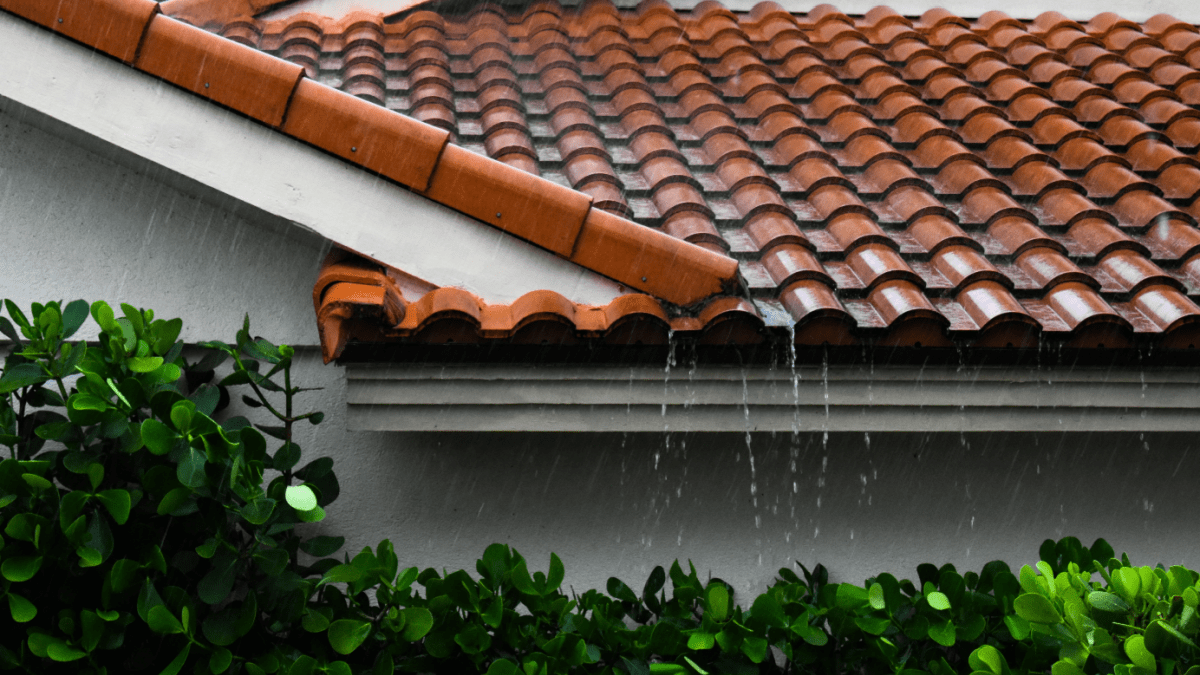
When rain finally arrives in Santa Clarita, it’s more than a welcome change—it’s an opportunity. In a region shaped by long dry spells, every drop counts. What many homeowners don’t realize is that their roof can serve as a highly efficient water collection system, capable of capturing hundreds—sometimes thousands—of gallons during a single storm.
Whether you’re passionate about sustainable living or simply looking for ways to stretch your water budget, understanding how much water your roof can collect is a smart first step. From conserving resources to nourishing your drought-tolerant landscape, your rooftop might just be one of your most underutilized tools in navigating Southern California’s climate challenges.
Understanding Rainfall in Santa Clarita
Santa Clarita experiences a Mediterranean climate, with most of its annual rainfall concentrated between November and March. On average, the area receives about 15 inches of rain per year—but that number can swing significantly depending on climate patterns. In years influenced by El Niño, storms may be more frequent and intense, delivering heavy downpours in short bursts. La Niña years, on the other hand, tend to bring drier conditions, with lighter, more sporadic rainfall.
This variability means that while some winters bring just a few inches of rain, others can deliver several inches in a single month. For homeowners looking to collect rainwater, that variability is crucial. A single moderate storm dropping 1.5 inches of rain can quickly fill a collection system if your roof and gutters are designed to catch and direct it efficiently.
In short, Santa Clarita’s rainfall may be seasonal and inconsistent—but when it comes, your roof has the potential to make the most of it.
How Roof Size Impacts Rainwater Collection
The amount of rain your roof can collect depends primarily on two factors: how much it rains, and how large your roof is. The basic formula is straightforward: 1 inch of rain on 1,000 square feet of roof yields approx. 623 gallons of water.
To put this into perspective:
- A 1,200 sq ft roof can collect about 748 gallons from just one inch of rain.
- A 2,000 sq ft roof? That’s roughly 1,246 gallons per inch.
- In a 1.5-inch storm (typical for Santa Clarita’s moderate winter events), that same 2,000 sq ft roof could generate nearly 1,870 gallons.
The slope of your roof doesn’t significantly change this equation, but runoff efficiency does. The more rain that makes it into your gutters and downspouts without pooling or spilling, the closer you’ll get to your roof’s full collection potential.
Even if you’re only capturing a portion of the rainfall, the totals add up fast. With the right setup, a single storm could provide enough water to irrigate a drought-tolerant yard for weeks.
Roofing Materials and Water Collection Efficiency
Not all roofing materials perform the same when it comes to rainwater harvesting. The surface texture, slope, and absorption rate of your roofing system can affect how much water actually makes it into your collection barrel or tank.
- Asphalt shingles, the most common roofing material in Santa Clarita neighborhoods, tend to absorb a small amount of water and have a slightly rough texture, which can reduce collection efficiency and introduce small debris into the runoff. However, with proper filtration and maintenance, they can still be used effectively in rainwater systems.
- Concrete tile roofs, often found in newer Santa Clarita homes, offer higher durability and a more rigid surface. While the tiles have more overlap and contours than a flat surface, they generally allow for solid water flow once initial rainfall wets the surface.
- Flat roofs—often found in custom homes or accessory structures—can be highly efficient for collection, especially when coated with a smooth surface and outfitted with well-placed drains or scuppers. These roofs tend to shed water more uniformly into a collection system, as long as they are free of debris and well maintained.
Whatever the material, regular roof maintenance is key. Leaves, dirt, and animal droppings can contaminate runoff, clog downspouts, and reduce efficiency. Installing gutter screens and first-flush diverters can dramatically improve the quality of the water you collect—especially if it’s used for irrigation or stored long term.
Can You Legally Collect Rainwater in Los Angeles County?
Yes—you can. In California, rainwater harvesting is fully legal and even encouraged, thanks to state laws like the Rainwater Capture Act of 2012. Homeowners throughout Los Angeles County, including Santa Clarita, are permitted to collect rainwater from rooftops for non-potable uses such as landscape irrigation, car washing, and other outdoor applications.
There are a few guidelines to follow:
- Capture Surface: Rain must be collected from above-ground hard surfaces like rooftops—groundwater runoff and gray water have different regulations.
- Permitted Uses: Collected rainwater should only be used outdoors unless you install an advanced treatment system approved for indoor use.
- System Requirements: While simple rain barrels typically don’t require permits, larger cisterns or systems integrated into your home’s plumbing may need review by the local building department.
- Mosquito Control: Collection systems must be sealed or screened to prevent mosquito breeding, especially during warmer months in the Santa Clarita Valley.
Rainwater collection supports water conservation efforts across Southern California and offers a smart, sustainable way to manage stormwater—especially when combined with climate-conscious roofing and landscaping choices.
How Much Water Does Your Landscape Really Need?
Collecting rainwater is only part of the equation—knowing how much water your yard actually needs is what makes the effort worthwhile. In Santa Clarita’s arid climate, outdoor irrigation accounts for a significant portion of residential water use, especially in the dry spring and summer months.
The good news is that most drought-tolerant plants and native California landscapes require far less water than traditional lawns. Here’s a rough comparison:
- Traditional lawns need about 1 to 1.5 inches of water per week during summer. For a 1,000 sq ft lawn, that’s around 620–930 gallons weekly.
- Drought-tolerant landscapes with native shrubs, succulents, and mulch typically need only 20–30% of that amount.
That means the 1,870 gallons you could collect from a single 1.5-inch storm on a 2,000 sq ft roof could irrigate a low-water-use yard for over a month.
By aligning your roof’s collection potential with the actual needs of your landscape, you can significantly reduce your dependence on municipal water—without sacrificing a beautiful yard. Pairing efficient roofing with water-smart landscaping is one of the most effective ways to manage both stormwater and seasonal drought in Santa Clarita.
Setting Up a Roof Water Collection System
Turning your roof into a functional water collection system starts with understanding the basic components—and making sure your setup matches both your home’s structure and your goals.
Here’s what a typical system includes:
- Gutters and Downspouts: These must be clean, properly sloped, and securely attached to direct water flow toward your storage container.
- First-Flush Diverters: These simple devices redirect the initial runoff (which may contain dust, pollen, or roof debris) away from the tank to improve water quality.
- Screens and Filters: Installed at various points to keep out leaves, twigs, and insects—essential for preventing clogs and standing water.
- Storage Containers: Options range from 55-gallon rain barrels to 1,000+ gallon cisterns. Materials should be UV-resistant and sealed to prevent algae growth and mosquito breeding.
- Overflow and Drainage: Always include an overflow outlet to direct excess water away from your home’s foundation during heavy storms.
Before installing any system, it’s wise to schedule a roof walkthrough to assess slope, drainage, and overall roof condition. A roof with sagging sections, failing underlayment, or poor drainage may send water where you don’t want it—causing foundation issues, mold, or water intrusion.
With a clean, well-maintained roof and a properly installed system, your home can safely and efficiently capture stormwater—without compromising its structure or curb appeal.
When Roofs Help—and When They Hurt
A roof in good condition is a powerful asset for stormwater collection—but when issues go unnoticed, it can quickly become a liability. The same rainfall that fills your barrels can also lead to costly problems if your roof isn’t prepared to handle it.
Here’s how a well-maintained roof supports water harvesting and home protection:
- Directs Rainwater Efficiently: Proper slope and intact shingles or tiles ensure water flows cleanly into gutters, not behind walls or under eaves.
- Prevents Pooling and Ponding: Especially on flat or low-slope roofs, good drainage design keeps water moving instead of allowing it to stagnate.
- Protects the Structure: Sealed flashing, healthy underlayment, and solid decking prevent moisture from entering attic spaces or wall cavities.
- Supports Sustainable Landscaping: A functioning roof collection system can feed drip irrigation, reducing your use of treated municipal water.
On the flip side, roofs with cracked shingles, loose tiles, clogged gutters, or poorly designed drainage can allow water to back up, overflow, or seep into vulnerable areas. This can lead to rot, mold growth, interior leaks, and premature roof failure.
Before investing in a rainwater harvesting system, make sure your roof is up to the task. A quick, professional walkthrough can identify weak points, confirm slope, and ensure your home is ready to collect—and not fight against—the next Santa Clarita storm.
Conclusion
In a single Santa Clarita rainstorm, your roof can collect thousands of gallons of clean, usable water—enough to nourish a low-water landscape for weeks or even months. With smart planning and a simple system, your roof can do more than shield your home—it can become part of a sustainable solution for water conservation in one of California’s driest regions.
From understanding your local rainfall patterns to calculating how much water your roof can yield, it’s clear that timing, maintenance, and proper setup are everything. Whether you’re starting small with a rain barrel or looking to install a larger storage system, your roof’s potential is far greater than most homeowners realize.
Ready to put your roof to work? Let’s make sure it’s in top shape before the next storm rolls through.