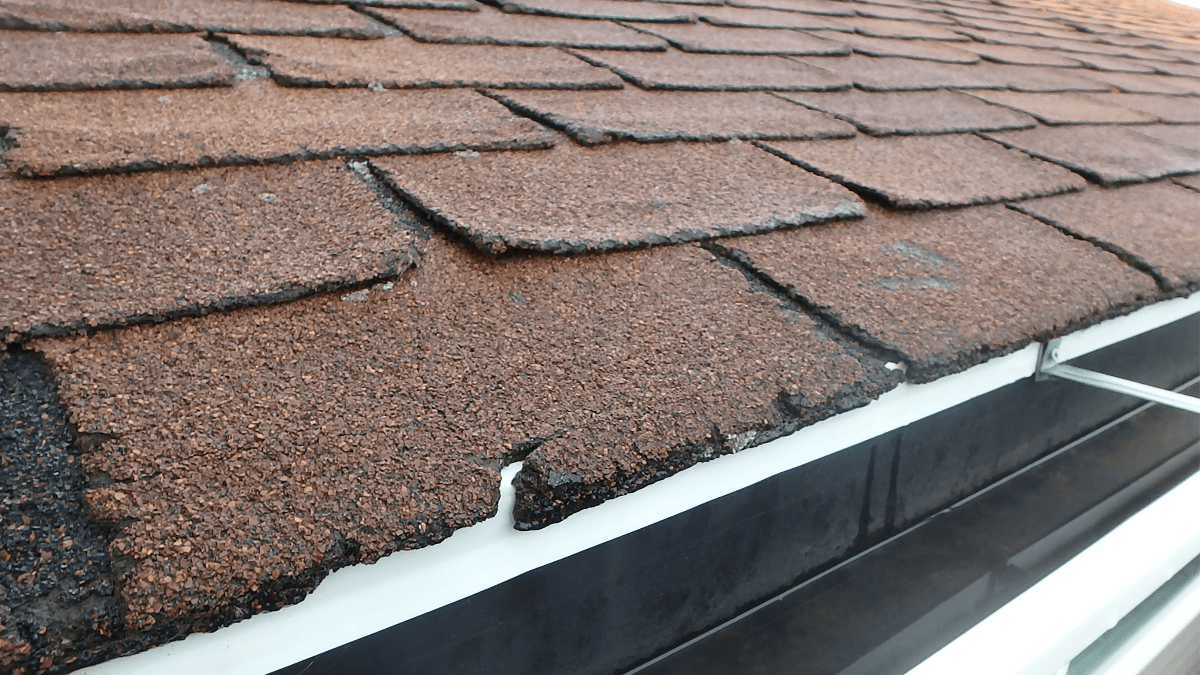
In wildfire-prone areas like the San Fernando Valley, Santa Clarita, and Calabasas, your roof is more than a layer of protection—it’s your home’s first line of defense. But when that roof is aging, weather-worn, or made of outdated materials, it can quickly shift from shield to liability. As wildfires grow more frequent and intense across North Los Angeles, older roofs pose a greater risk of ignition from airborne embers and radiant heat.
If your home still has its original roofing or hasn’t been updated in decades, it may be time to take a closer look—not just for aesthetics or leaks, but for fire safety. Understanding how age, material, and condition impact your roof’s fire resistance could mean the difference between staying protected and facing a costly disaster.
This post walks you through the hidden dangers of older roofing systems, how fire spreads through vulnerable rooftops, and what a modern, fire-rated roof replacement looks like in high-risk regions like Frazier Park, Simi Valley, and Pacific Palisades.
Why Fire Safety Begins at the Roofline
When people think of wildfire protection, they often focus on defensible space and brush clearance—but few realize how crucial the roof is in fire prevention. In a wind-driven wildfire, most homes aren’t lost to direct flames. They’re lost to embers: tiny, burning fragments carried miles ahead of a blaze. These embers can settle into cracks, valleys, and eaves, igniting a home from the top down.
Older roofs, especially those with worn shingles, gaps in flashing, or flammable materials like untreated wood, are particularly vulnerable. Even a single ember in the wrong place can result in a structure fire before firefighters ever arrive.
Southern California fire departments consistently stress the importance of fire-resistant construction, and the roofing system is one of the most important elements. It’s not just about stopping fire—it’s about stopping it before it starts. If your roof is more than 20 years old, it’s worth asking: is it protecting your home, or putting it at risk?
Common Fire Hazards Found in Aging Roofs
Over time, even the best-built roofs show signs of wear. In wildfire-prone regions, those signs often double as red flags for fire vulnerability.
Wood shake shingles, once popular for their rustic look, are highly flammable unless specially treated—and even treated shakes lose effectiveness over time. Cracked or missing shingles allow embers to lodge in the gaps, while deteriorated underlayment or exposed wood decking offers little resistance to ignition. Pine needles and dry leaves can build up unnoticed in roof valleys or behind solar panels, becoming perfect fuel for a spark. And when eaves or vents go unsealed, they create a direct path into your attic.
If you live in hillside communities like Tehachapi, Castaic, or Thousand Oaks, regular visual checks and professional assessments are essential before fire season peaks.
Roofing Materials and Fire Ratings: What You Need to Know
Not all roofing materials are created equal when it comes to fire protection. Roofs are rated by their ability to resist flame spread, classified as Class A, B, or C:
- Class A offers the highest resistance and is strongly recommended in high-risk fire zones.
- Class B provides moderate protection.
- Class C offers minimal resistance and is often disqualified in wildfire-prone areas.
Common Class A options include:
- Concrete tile roofs with sealed edges and underlayment
- Modern fiberglass-reinforced asphalt shingles
- Modified bitumen flat roofing systems with fire-retardant surfacing
At the other end of the spectrum:
- Older organic asphalt shingles tend to break down and lose integrity
- Untreated wood shakes are often highly combustible and no longer insurable in many zones
It’s not just the outer layer that matters. Fire-rated assemblies depend on the full system—including underlayment and flashing. At Coronado Roof Care, we install high-temperature synthetic underlayment and fully sealed flashing to improve resistance in high-wind and ember-exposed zones.
Upgrading to a Class A system is more than code compliance—it’s an investment in long-term resilience.
Local Wildfire History and Fire Zones in North Los Angeles
In North Los Angeles, fire safety isn’t a what-if scenario. It’s a recurring part of life. Over the past two decades, wildfires have scorched hillsides, threatened entire neighborhoods, and prompted repeated evacuations.
Santa Clarita and Castaic have faced fires like the Tick and Sandalwood. Simi Valley and Moorpark are known for Santa Ana winds that drive flames across chaparral-covered terrain. Pacific Palisades and Topanga’s steep slopes create challenging conditions for firefighting, while higher elevations like Frazier Park, Tehachapi, and Inyokern contend with summer dryness and flammable vegetation.
Many homes in these areas fall within Very High Fire Hazard Severity Zones (VHFHSZ), requiring Class A roofing, ember-resistant vents, and enclosed eaves under California’s WUI codes. Roofs installed before these codes may no longer comply, even if they appear functional from below.
Insurance companies now evaluate roofing age and compliance during renewals. Non-compliant roofs often lead to rate increases or lost coverage. Knowing your fire zone classification is critical for smart roof planning.
Signs Your Roof Is No Longer Fire-Resistant
Many roofs over 20 years old may appear solid from the curb but hide vulnerabilities that increase fire risk.
Look for these common red flags:
- Shingles that curl, crack, or feel brittle—these no longer shield your home from embers.
- Exposed sheathing or roof decking, often visible in valleys or near chimneys.
- Underlayment that’s deteriorated or missing, leaving the wood deck exposed.
- Rusting or lifting flashing that creates open paths for heat or sparks.
- Old vents without ember screens or open eaves that allow fire into your attic.
- Debris buildup, especially in corners or behind solar panels, which acts as kindling.
In fire-prone areas like Canyon Country or near the Angeles Forest, these subtle weaknesses are what make the difference between a near-miss and a home lost.
The Hidden Costs of Waiting Too Long
Waiting to replace a vulnerable roof doesn’t just increase fire danger—it can lead to significant financial setbacks.
Insurance carriers have grown more cautious in wildfire zones. An older or non-compliant roof can lead to:
- Policy non-renewal
- Reduced or capped payouts
- Increased premiums year over year
Other long-term costs include:
- Emergency repair premiums for last-minute work after damage
- Decreased home value due to outdated or non-code-compliant materials
- Legal liability, if fire originating from your home damages neighboring property
A timely roof replacement protects not just your structure—but your financial future.
Our Approach to Roof Replacement in Fire-Prone Zones
At Coronado Roof Care, we take a personalized approach to every roof replacement—because no two fire zones are the same. From the canyons of Calabasas to the arid slopes of Inyokern, we’ve worked on homes with vastly different risks.
We begin with a walkthrough and detailed measurements. Then we recommend fire-rated systems that include high-temperature synthetic underlayment, sealed flashing, and ember-resistant venting. We pay special attention to vulnerable details: valleys, penetrations, eaves, and ridgelines.
Our crews focus on clean work, respectful timelines, and lasting protection. Each project reflects not just quality, but care.
Protecting Your Home Starts With a Safer Roof
Aging roofs and outdated materials pose serious risks in wildfire-prone parts of Los Angeles County. If your roof hasn’t been updated in over two decades, it may be time to consider a replacement that protects your investment—and your family.
Whether you’re in the foothills of Santa Clarita or the desert flats of Antelope Valley, a fire-rated roof is more than a safety upgrade. It’s peace of mind. And we’re here to help you build it.