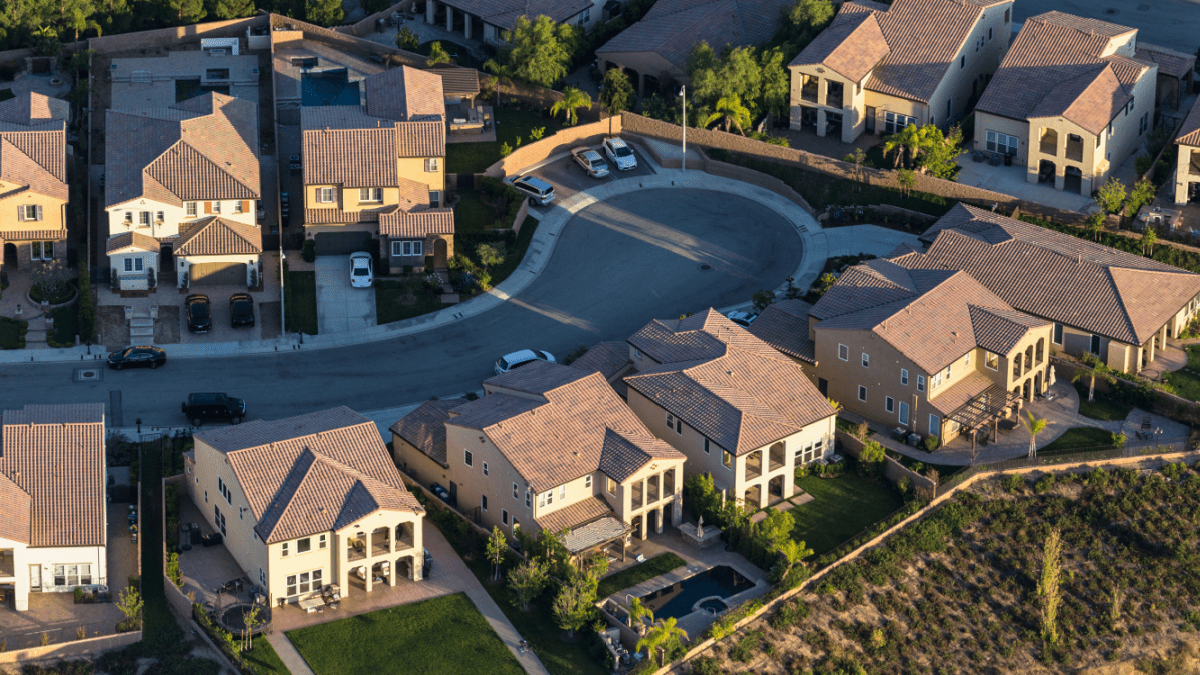
Your tile roof isn’t just decorative—it’s your San Fernando Valley home’s primary defense against blazing sun, seasonal Santa Ana winds, and winter rainstorms. In cul-de-sac neighborhoods, where curb appeal and uniformity contribute to collective home value, maintaining a well-kept roof takes on even more significance. A single neglected roof can draw the eye, lower the neighborhood’s aesthetic standard, and even affect property values. That’s why strategic tile roof maintenance in these tight-knit residential pockets requires more than just annual inspections. It calls for seasonally informed care, proactive coordination with neighbors, and timely professional intervention when needed.
Concrete tile roofing is a common sight across communities like Northridge, Encino, and Granada Hills. While these systems are known for their durability, local climate conditions and shared landscaping elements in cul-de-sacs can create unique vulnerabilities. Sun, wind, tree debris, and temperature fluctuations all take their toll. Left unaddressed, these small issues can escalate into expensive repairs. This guide walks you through the most relevant challenges and offers practical solutions tailored for busy homeowners in the San Fernando Valley.
Common Tile Roof Issues Homeowners Should Watch For
Concrete tile roofs are resilient, but not invincible. The most common problems aren’t caused by the tiles themselves, but by the elements and conditions specific to Southern California neighborhoods.
High temperatures and UV exposure eventually cause underlayment—the waterproof barrier beneath your tiles—to dry out, crack, and fail. This leads to leaks that can go unnoticed until stains appear on your ceiling or attic framing begins to rot. Moss and algae, though less common in our region, thrive on shaded or north-facing roof slopes. Over time, they can retain moisture, weakening the tiles’ protective function.
Other common problems include:
Cracked or displaced tiles from tree branches, impact, or foot traffic
Clogged roof valleys or gutters from shared trees shedding into multiple yards
Flashing failure around chimneys, skylights, and vents, often due to aging sealant or shifted materials
Because cul-de-sac homes often feature uniform rooflines and shared landscaping layouts, a roofing issue on one property can quickly indicate or influence the condition of others. That makes early detection and consistent care essential—not just for individual homes, but for maintaining harmony across the block.
Seasonal Maintenance that Makes a Difference
Each season brings its own set of conditions that challenge your roof’s performance. By following a simple maintenance rhythm throughout the year, you can prevent small problems from turning into major repairs.
Spring is all about clearing away the winter debris and preparing for spring rain:
- Inspect for cracked or shifted tiles after storms
- Remove leaves from gutters and roof valleys
- Clean any moss starting to grow in shaded areas
Summer stresses your roof with extreme heat and sun exposure:
- Check underlayment edges for brittleness or UV damage
- Re-secure loose tiles expanded by thermal movement
- Trim back overhanging trees that shade the roof and drop debris
Fall brings Santa Ana winds and the need for added preparation:
- Inspect flashing for looseness or corrosion
- Clear windblown branches from the roof
- Coordinate group maintenance with neighbors to reduce costs and improve outcomes
Winter tests every layer of your roof:
- Check attics for signs of moisture after first rains
- Keep downspouts and gutters flowing freely
- Address any broken tiles quickly to avoid water intrusion
Regular seasonal attention doesn’t just help your roof last—it preserves the clean, consistent look that defines cul-de-sac communities throughout the San Fernando Valley.
Smart DIY Tips for Proactive Homeowners
You don’t need to be on the roof to protect it. Many effective roof care habits can be performed safely from the ground or with minimal tools:
- Use binoculars to scan for missing or cracked tiles without climbing
- Clear debris from your roof edge and walkways using a soft broom or blower—avoid pressure washers or walking directly on the tiles
- Flush gutters and downspouts at least twice a year to prevent overflow
- Trim surrounding trees to avoid abrasion and shade buildup
- Know your limits—if the fix involves tile removal, structural inspection, or sealing, call a licensed roofer
Proactive habits like these allow you to catch and address small signs of wear before they become expensive problems. They also support the broader aesthetic and value of your cul-de-sac community.
When It’s Time to Call a Professional
Even the most hands-on homeowner will eventually need expert help. Knowing when to step aside can protect both your safety and your property. You should call a professional if:
- You notice moisture, stains, or a musty smell in your attic
- There are multiple broken or missing tiles in a single section
- Your roof is over 20 years old and hasn’t had an underlayment replacement
- Water pools regularly in valleys or around roof penetrations
- Flashing looks rusted, dislodged, or improperly sealed
Professional roofers don’t just address isolated problems—they evaluate the roof as a complete system. At Coronado Roof Care, we specialize in tile roof preservation and leak-specific repairs. Our approach is tailored for Southern California homes and the nuances of cul-de-sac architecture, including HOA considerations and shared landscaping effects.
The Power of Cul-De-Sac Collaboration
Cul-de-sac living brings unique opportunities for shared home maintenance. When neighbors coordinate roof assessments, cleanings, or tree trimming, everyone benefits:
- Group walk-throughs reduce inspection costs and improve scheduling efficiency
- Combined tree trimming enhances safety and curb appeal while lowering cost per household
- Uniform appearance across homes boosts collective property value
- Trusted contractor relationships ensure faster emergency response when storms or fire events arise
Homes that align their maintenance schedules maintain visual consistency, which strengthens buyer appeal. They also gain the practical benefit of neighborhood-wide preparedness. In regions prone to high winds, wildfires, or El Niño rain cycles, having a shared roofer can streamline emergency tarping or coordinated repairs.
The Lasting Value of Maintenance
Keeping up with your tile roof doesn’t just extend its life—it multiplies the return on your investment. Well-maintained tile roofs can last 50 years or longer, especially when underlayment is replaced at the appropriate time. This means less waste, fewer disruptions, and more money saved over time.
Consistent roof maintenance also delivers:
- Improved home energy efficiency through proper ventilation and sealed roofing systems
- Fire safety thanks to fire-rated tile and reduced ember catch points
- Stronger resale value due to clean, well-kept appearance and buyer peace of mind
- Lower long-term costs by addressing issues while they’re still manageable
When your roof is in top shape, your entire home benefits—structurally, financially, and aesthetically.
Final Thoughts: Invest in the Roofline That Unites Your Neighborhood
Your roof is more than a barrier from the elements—it’s a defining feature of your cul-de-sac’s identity. A clean, maintained tile roof elevates not only your property, but the entire visual impression of your street. In communities throughout the San Fernando Valley, from Porter Ranch to Woodland Hills, homeowners rely on durable materials like concrete tile to withstand Southern California’s extremes. But durability still requires upkeep.
At Coronado Roof Care, we combine precise craftsmanship with regional expertise to give homeowners lasting results. Whether you need a walkthrough, seasonal maintenance, or targeted leak repairs, we offer reliable service with clear communication and unmatched respect for your home.
Let us help you protect your tile roof—and the community it anchors—for decades to come.