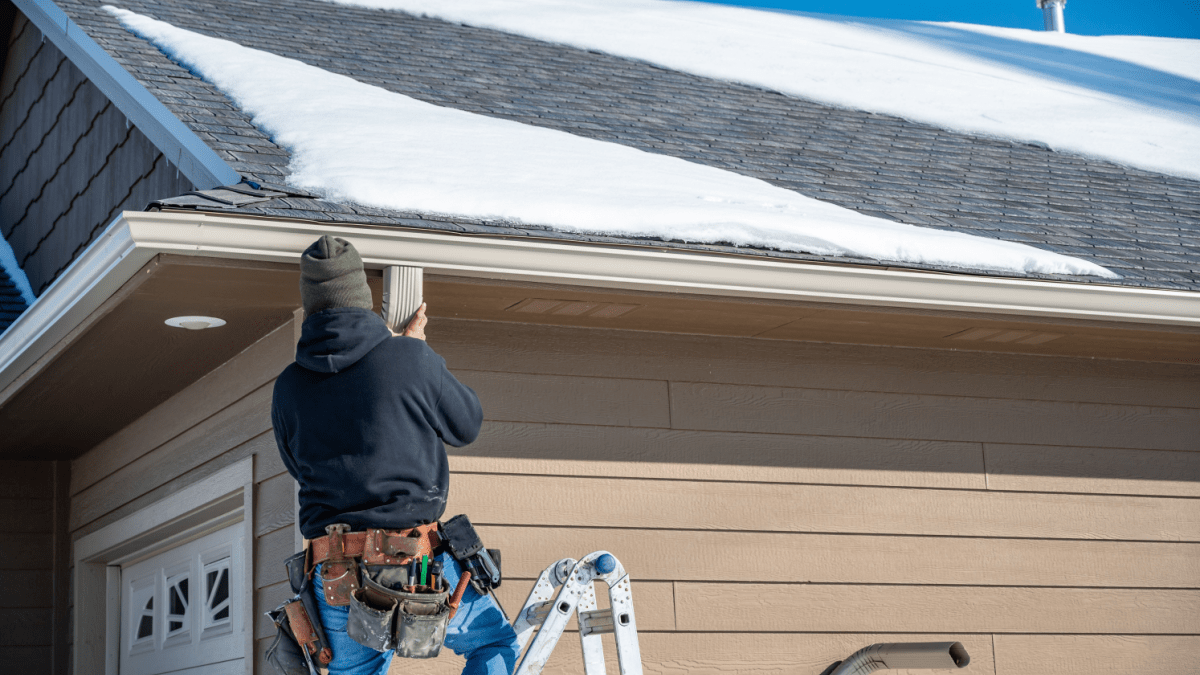
In Tehachapi, winter doesn’t arrive gently. One day it’s sunny and mild, the next you’re facing snow flurries, icy winds, or a deep freeze overnight. If your roof isn’t ready, those fast-changing conditions can quickly expose weak spots—leading to water damage, mold, or costly emergency repairs. Whether you live in town or up in Bear Valley Springs, winter prep isn’t optional—it’s essential. Before temperatures drop and storms roll in, make sure your roof is up to the challenge. These five steps are non-negotiable if you want to keep your home protected, warm, and dry through the cold months ahead.
What Happens If You Don’t Prepare Your Roof for Winter?
Skipping winter prep on your roof in Tehachapi isn’t just risky—it’s expensive. This region’s unique climate brings high winds, cold snaps, and the occasional snowstorm, all of which can turn a minor roof issue into a major structural headache.
As temperatures dip below freezing, trapped moisture expands and contracts, prying open small cracks in flashing, shingles, or tile. Ice dams can form when snow melts unevenly and refreezes at the eaves, pushing water under your roof covering. And clogged gutters? They back up with rain or melting snow, flooding fascia boards and causing leaks that can creep into your attic or walls.
Wind is another major factor in Tehachapi’s winter roof damage. Gusts commonly rip up lifted shingles or loosen tiles, especially on homes exposed to open land or ridgelines. And in higher elevations like Stallion Springs or Alpine Forest, snow buildup can add hundreds of pounds of weight overnight.
Roof problems don’t wait for spring. Winter damage happens fast—and fixing it during a storm is never ideal. The best protection? A proactive approach. Keep reading to find out the five critical steps to safeguard your roof before winter sets in.
The 5 Winter Prep Steps You Can’t Skip
Tehachapi winters can be unpredictable, but your roof’s performance doesn’t have to be. These five essential steps will help your home stay protected through freezing nights, howling winds, and surprise snowfalls.
1. Inspect and Seal Flashing
Flashing is your roof’s first line of defense around chimneys, skylights, valleys, and vents—some of the most leak-prone areas during winter storms. If the flashing is cracked, loose, or corroded, water can slip through and rot the roof deck below. Before winter sets in, have these areas sealed or replaced to prevent moisture intrusion when it matters most.
2. Clean Out Gutters and Downspouts
Gutters clogged with pine needles, oak leaves, or granule buildup can block proper drainage. When melting snow or winter rain has nowhere to go, it can pool at the eaves or flow under shingles. This is one of the most common causes of water damage in mountain homes. A clear drainage path keeps your roof—and your foundation—safe.
3. Trim Overhanging Tree Branches
Heavy winds and wet snow can snap limbs, especially from pine and oak trees, sending them straight onto your roof. Even small branches can scrape and loosen shingles or tiles. Trimming back trees reduces both impact risk and leaf clutter in your gutters.
4. Check Attic Ventilation and Insulation
Poor ventilation can trap warm air in your attic, leading to condensation or ice damming. Meanwhile, insufficient insulation allows cold air in and warm air out, making your home harder to heat. Together, this creates a dangerous cycle that encourages mold, mildew, and moisture damage. Balanced ventilation protects your roof from the inside out.
5. Schedule Roof Repairs Before the First Freeze
Have you noticed curling shingles, missing tiles, exposed underlayment, or debris buildup? These might seem minor now—but once temperatures drop or snow hits, small issues can turn into emergencies. Getting repairs done before winter storms arrive ensures your roof is strong enough to weather the season.
What We’ve Seen in Tehachapi Winters
At Coronado Roof Care, we’ve seen how quickly winter can take its toll on homes in Tehachapi and surrounding areas like Golden Hills, Bear Valley Springs, and Stallion Springs. Each winter brings a mix of cold rain, gusty winds, and the occasional snowstorm—and when roofs aren’t prepared, the damage doesn’t take long to show.
In one recent job in Golden Hills, a homeowner called us after noticing ceiling stains just days after the first storm of the season. The culprit? Clogged gutters and deteriorated flashing around a skylight. Water had backed up under the shingles, leaking into the attic and staining drywall. We removed the damaged materials, repaired the flashing, cleared the gutters, and reinforced the drainage slope to prevent future backups.
Homes in this region often feature concrete tile, asphalt shingles, or modified bitumen flat roofing—all of which perform well when installed and maintained properly. But in mountain or high-desert climates, the smallest oversight can lead to major issues. Tiles can shift in high winds. Asphalt shingles can curl or lift at the edges, especially if they’ve already been weathered by the summer sun. Flat roofs are especially vulnerable to ponding water if drainage is compromised.
What makes Tehachapi unique is the elevation and exposure. Areas closer to open land or at higher altitudes are more vulnerable to temperature swings and wind gusts that pull at roof components and expose weak points. In some neighborhoods, homeowners face rapid freeze-thaw cycles that expand cracks and accelerate roof aging.
We prepare each roof based on its material, age, and location—because winter in Tehachapi isn’t a one-size-fits-all situation. With the right maintenance, your roof can handle whatever this season throws at it.
Winter Roof FAQs for Tehachapi Homeowners
Winter in Tehachapi comes with its own set of roofing challenges—and smart homeowners ask the right questions before the first storm rolls in. Here are answers to some of the most common concerns we hear from local residents.
Do I need to remove snow from my roof?
Most Tehachapi homes don’t get heavy snowpack for extended periods. But if your roof sees more than 6 inches of buildup—especially in shaded areas or flatter sections—it’s worth removing to reduce weight and prevent ice damming. Use a roof rake from the ground and avoid walking on snowy surfaces to prevent slips or shingle damage.
Can cold weather make roof problems worse?
Yes. Winter temperatures intensify any existing weaknesses. Moisture that gets into small cracks will freeze, expand, and cause further damage. Wind lifts loose shingles or tiles, and ice dams can trap water beneath the surface. If you’ve been putting off repairs, cold weather can turn them into urgent issues fast.
How do I know if my attic is properly ventilated?
Check for signs like moisture buildup, mildew odor, frost on nails, or temperature extremes between rooms. Proper airflow in and out of the attic helps regulate temperature and humidity, reducing the risk of condensation, mold, and ice dams. Ridge vents and soffit vents should be free of blockage and functioning as designed.
What roofing materials perform best in cold climates like Tehachapi?
Concrete tile holds up well to temperature swings but needs secure underlayment and flashing. Asphalt shingles are a reliable, affordable option, especially impact-rated varieties. Modified bitumen or torch-down systems on flat sections are strong performers when installed with proper slope and drainage. What matters most is installation quality and timely upkeep—not just material alone.
Bonus Tip: Start a Roof Maintenance Log
Keeping a simple log of storm dates, roof work, and observations (like water spots or debris) helps you stay ahead of issues and makes it easier when filing insurance claims. Snap a few photos after each major storm as part of your routine—it could save time and stress later.
Protect Your Tehachapi Home Before Winter Hits
In Tehachapi, winter weather waits for no one. Taking the time to prepare your roof now can mean the difference between a warm, dry season and unexpected repairs mid-storm. Whether your home is tucked into the hills of Bear Valley Springs or nestled closer to downtown, the elements don’t discriminate—but a well-maintained roof will always hold its ground.
At Coronado Roof Care, we’re proud to serve the homeowners of Tehachapi and surrounding mountain communities with honest guidance and reliable craftsmanship. From tile and shingle repairs to flashing and winter-ready prep, our team treats every roof like it’s our own—because your peace of mind is our priority.
If you’ve spotted damage, fallen behind on maintenance, or simply want expert eyes on your roof before temperatures drop, we’re here to help. Let’s get your home winter-ready the right way.